
Throughout history, changes in migration have sometimes led to torturing and slaughtering the Indigenous community’s culture, disregarding their land rights and traditions. It is indeed important to protect and maintain the ancestral land rights, customs, culture, and tradition of our fellow Indigenous People and its community.
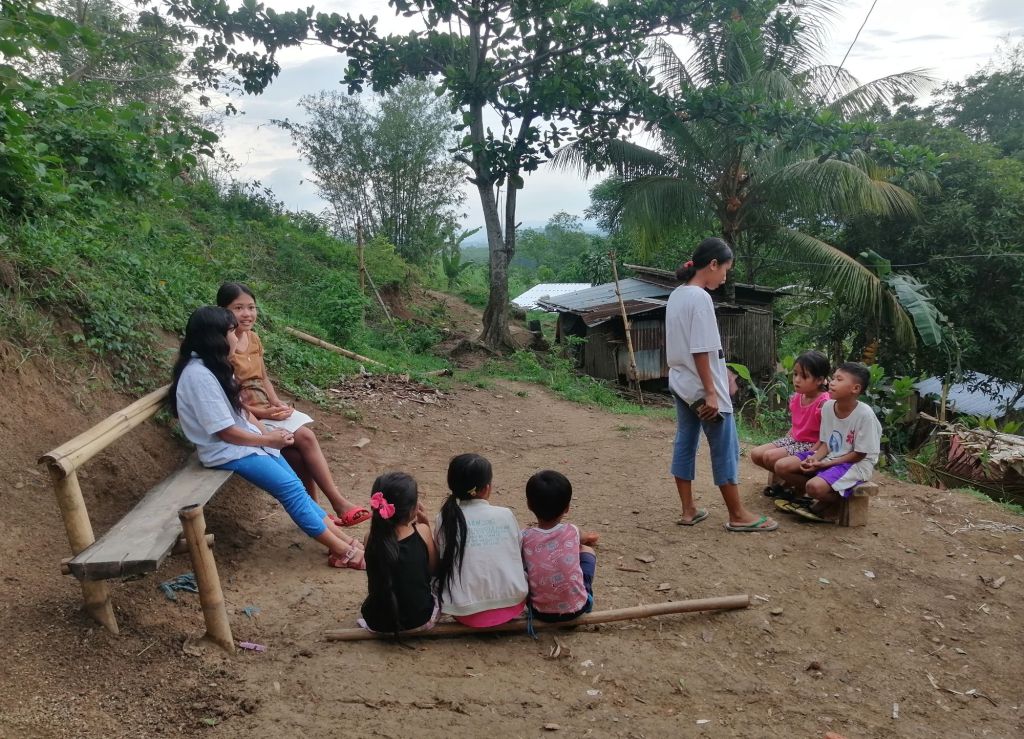
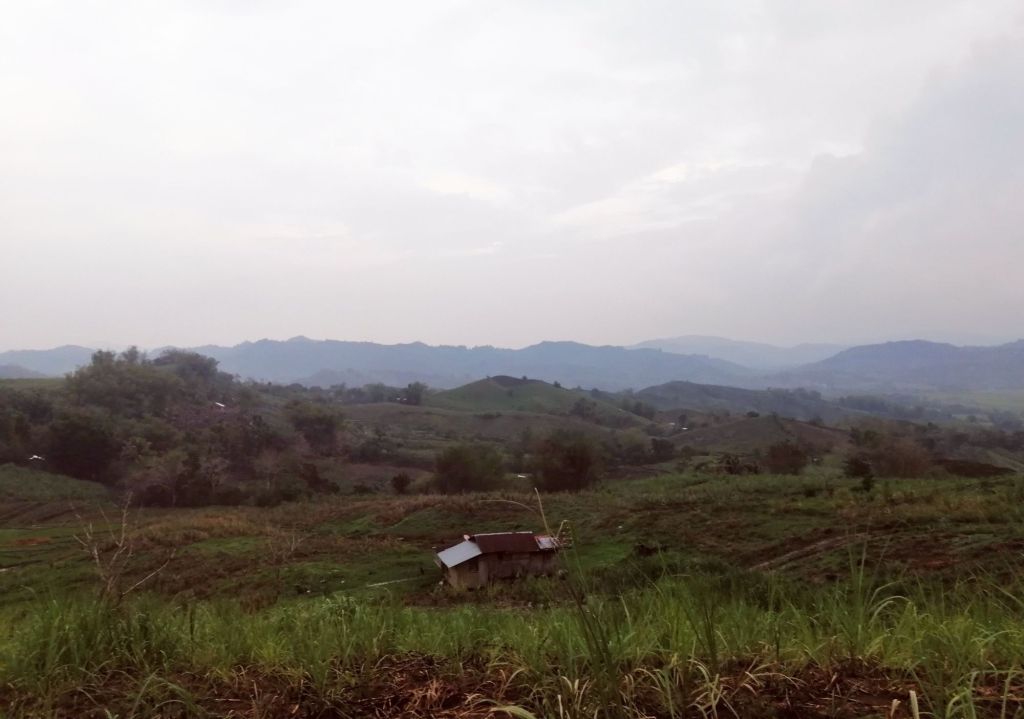
The classical example is this isolated family group of Indigenous People, who is the permanent residents at Sitio Agsirab in Dumarao Capiz where there is a good level of biodiversity. They acquired the land through labor compensation and have been residing in the place for 2 (two) decades now. Their culture develop its attachment to the flora and fauna- they are very concern and conscious with the conservation of these resources, and thus play a major role in the biodiversity conservation.
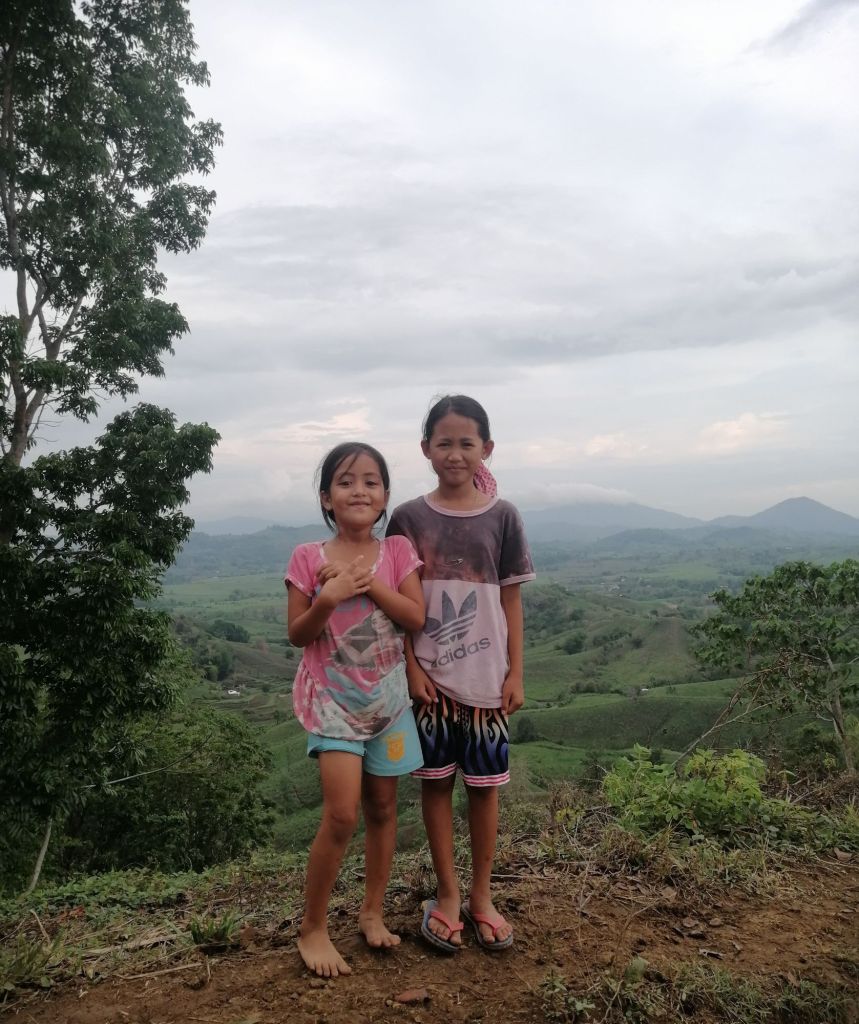
The older ones are strict to pass on their traditional knowledge and skills to younger generation. They live in a very primitive way that is tacit knowledge and therefore difficult to codify. This isolated family group is dynamic and continuously innovates with the help of local level communities nearby.
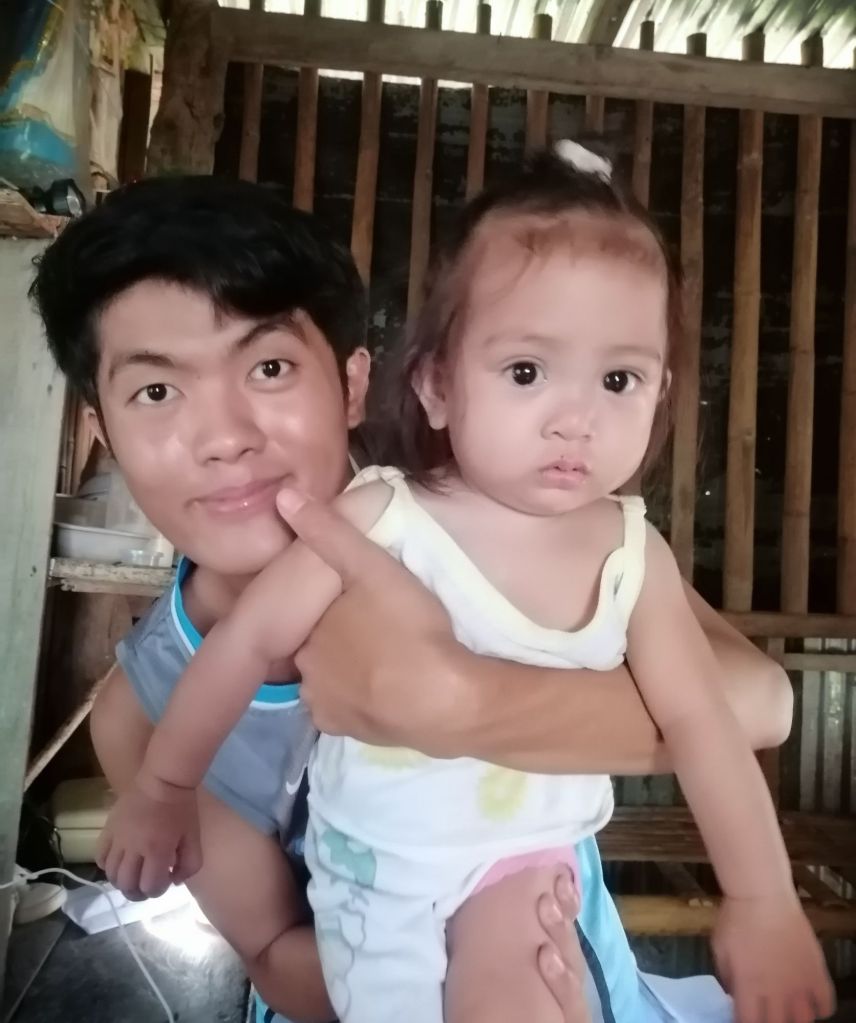
They usually honor the roots of their genealogy by respecting the Nanay or Inang (Mother) and Tatay (Father), the leaders of the family. They need to celebrate their proud history because doing so, it⁹ helps to stop the loss of their cultures. They have their own folklore, stories, and a set of beliefs. It is an enormous cache of information to be shared and to be preserved.
They have their unique views of the world and everything on it. Their tradition and beliefs matter to them and represent the blueprint of thinking. They are somehow intelligent people because their traditions (those accumulated knowledge and skills) have had a long relationship with the environment.
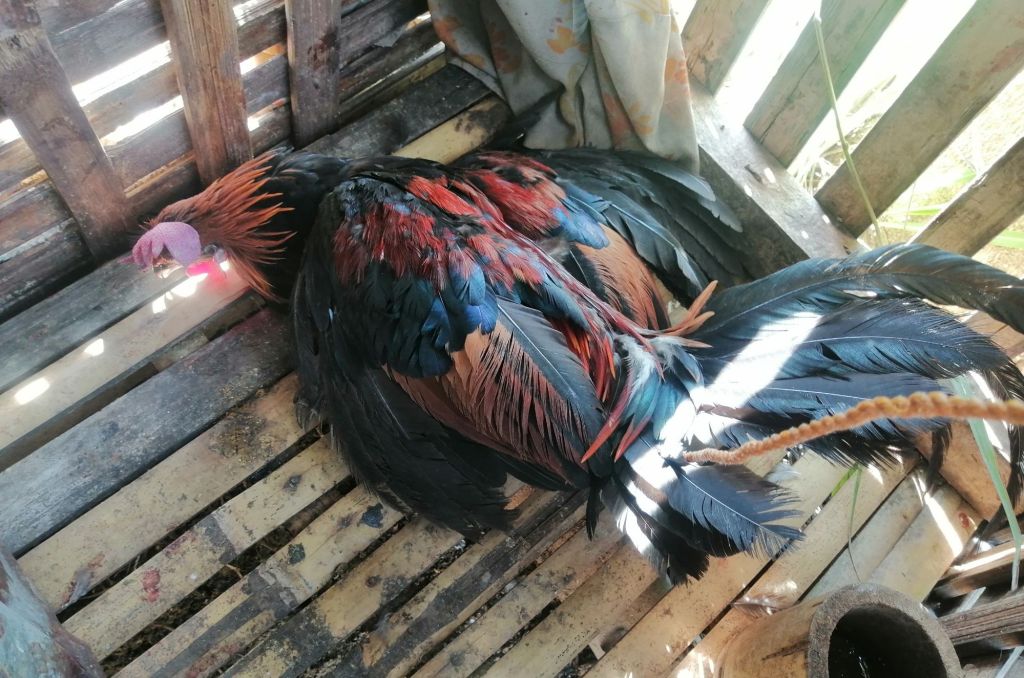
Preserving the way of life of indigenous peoples is incredibly important for several reasons:
Cultural Diversity
Indigenous cultures represent a wealth of diverse traditions, languages, knowledge systems, and ways of life that are valuable to humanity as a whole. Preserving these cultures helps maintain the rich tapestry of human diversity.
Environmental Stewardship
Indigenous peoples often have deep connections to their lands and possess traditional knowledge about sustainable resource management and conservation practices. By preserving their traditional ways of life, we can benefit from their wisdom in maintaining biodiversity and protecting the environment.
Human Rights
Indigenous peoples have the right to maintain and practice their cultures, traditions, and languages as enshrined in various international human rights instruments, such as the United Nations Declaration on the Rights of Indigenous Peoples. Respecting and preserving their traditional ways of life is essential for upholding their fundamental rights.
Historical Continuity
Indigenous cultures hold unique histories and worldviews that have been passed down through generations. Preserving their traditional ways of life ensures that this historical continuity is maintained and that future generations can continue to learn from their ancestors.
Social Justice
Many indigenous communities face marginalization, discrimination, and challenges to their way of life due to historical injustices and ongoing systemic issues. Supporting the preservation of their cultures can contribute to efforts towards social justice and empowerment for indigenous peoples.
Spiritual and Emotional Well-being
For many indigenous peoples, their cultural practices, ceremonies, and connections to the land are integral to their spiritual and emotional well-being. Preserving their traditional ways of life is essential for maintaining these important aspects of their identity and community cohesion.
Overall, the preservation of the way of life of indigenous peoples is crucial for honoring their rights, safeguarding cultural diversity, promoting environmental sustainability, and fostering a more inclusive and equitable society. It is important for individuals, communities, governments, and organizations to work together to support indigenous peoples in preserving and revitalizing their cultures and traditions.
 Jerren Quidato